Water Damage Restoration Newport Beach, CA
24/7 water damage restoration in Newport Beach, CA. The restoration team extracts standing water, dries the structure to the IICRC S500 standard and documents every step for your insurance claim.
(888) 450-9281Call for Newport Beach water removal nowZIPs 92658 to 92663, Corona del Mar and Newport Coast, plus Costa Mesa, Irvine and Huntington Beach.
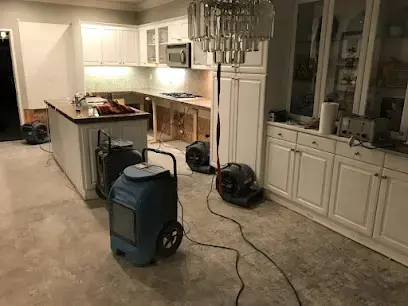
What to do while the water is still moving
The first hour decides how much has to be torn out later. Five steps keep a Newport Beach water loss smaller while the response team is dispatched.
(888) 450-9281Water still moving? Call now.- 1
Shut off the water
Close the main valve, usually near the street side of the house or in the garage. In a condo, the shutoff is often in a utility closet or under the water heater.
- 2
Kill power to wet areas
Switch off breakers for any room where water touches outlets, cords or light fixtures. Stay out of standing water near live power.
- 3
Warn the unit below
In a condo or townhome, tell the neighbor below and the HOA manager. Water through a shared ceiling spreads fast.
- 4
Photograph everything
Take photos and video of every wet room before anything is moved. Those images become the start of the claim file.
- 5
Lift what you can
Move rugs, electronics and furniture off wet floors and put foil under furniture legs. Leave wet drywall and flooring for the crew.
Water Damage Restoration Services in Newport Beach, CA
Fourteen kinds of water loss, each handled the way its source demands. Copper under the slab, salt air on the fittings, shared condo ceilings and winter tides at the seawall all shape how a Newport Beach dry-out runs.
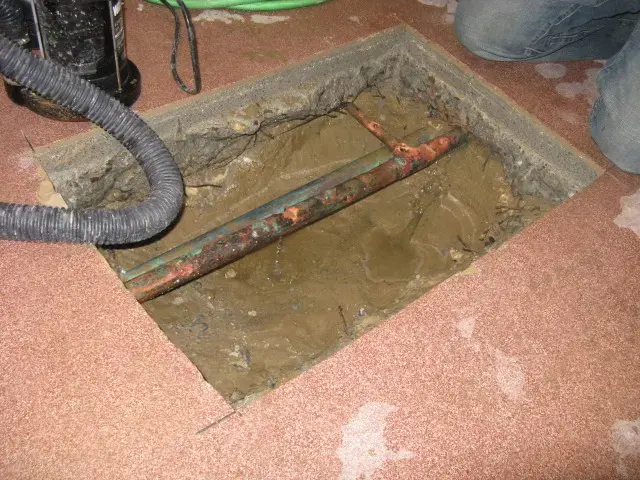
Slab Leak Water Damage
Leaks under the concrete found with thermal imaging, wet flooring opened and the slab dried.
Details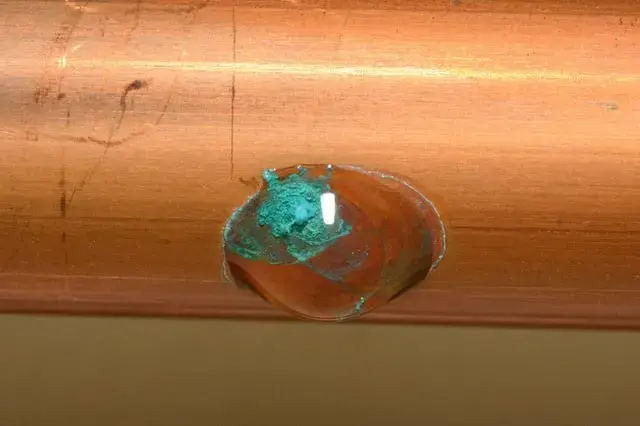
Corroded Pipe and Pinhole Leak Water Damage
Pinhole copper and salt-air fitting leaks traced inside walls and the cavities dried.
Details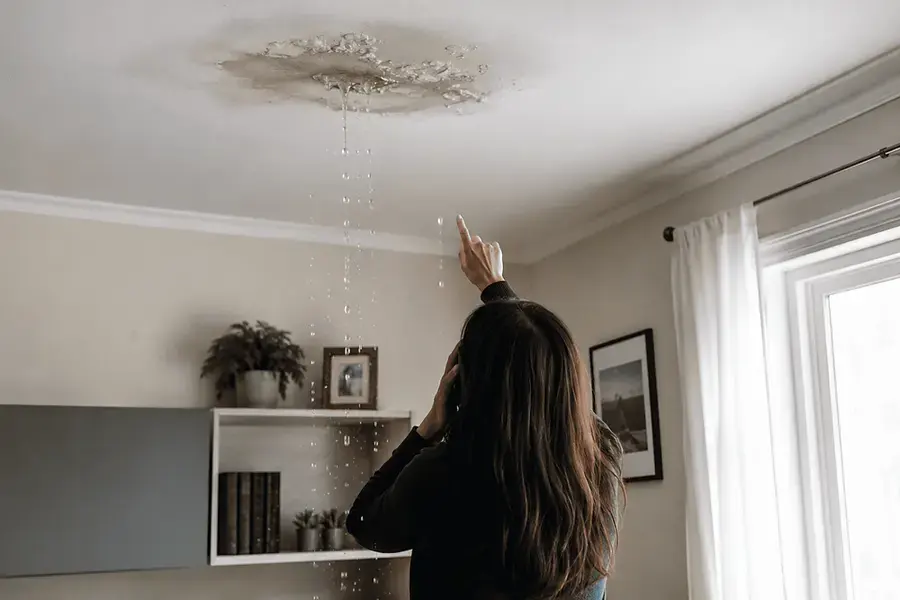
Condo and Unit-to-Unit Leak Water Damage
Leaks that cross shared ceilings and walls dried and logged unit by unit.
Details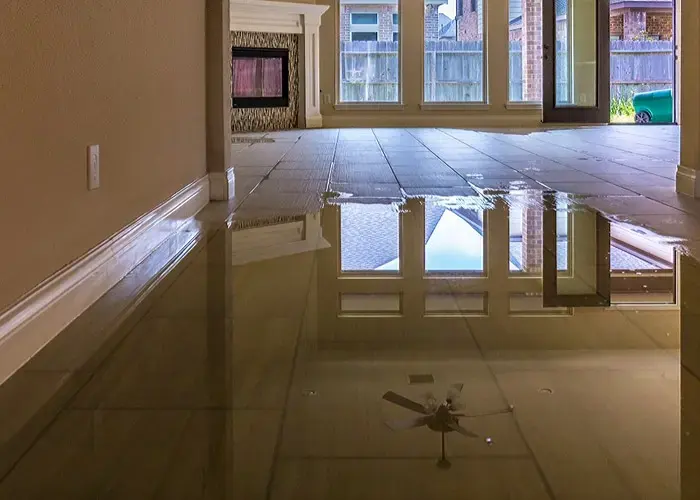
King Tide and Bay Flood Cleanup
Bay water over the seawall or up through low garages removed as Category 3 water.
Details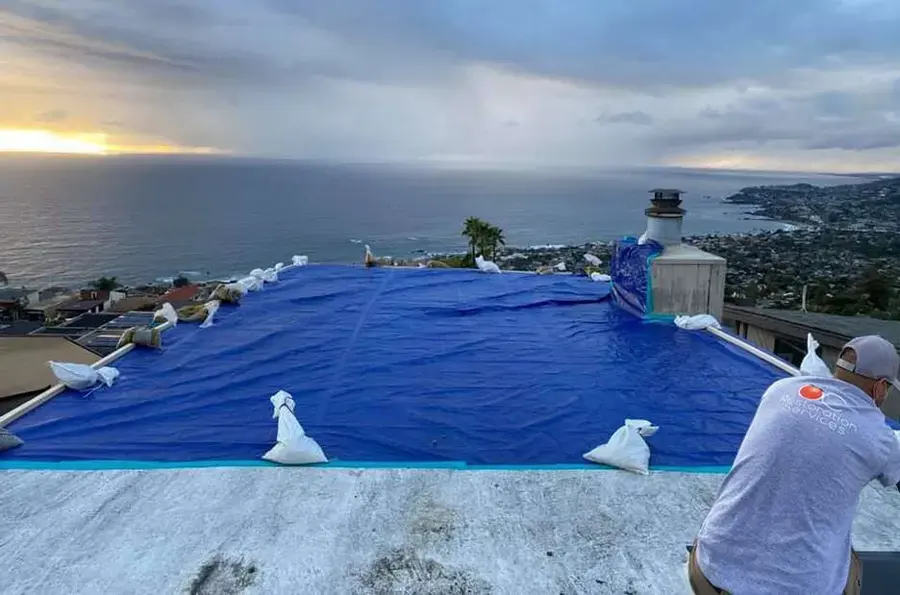
Winter Storm Water Damage
Wind-driven winter rain through doors, windows and decks extracted and dried.
Details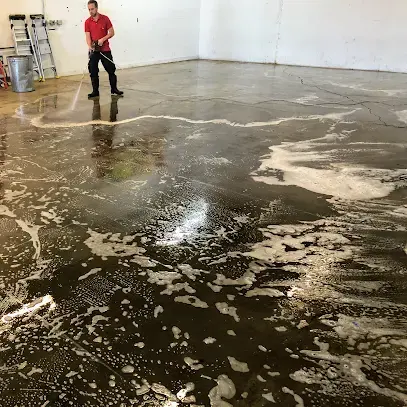
Water Extraction and Removal
Truck-mounted extraction pulls standing water before it wicks into drywall.
Details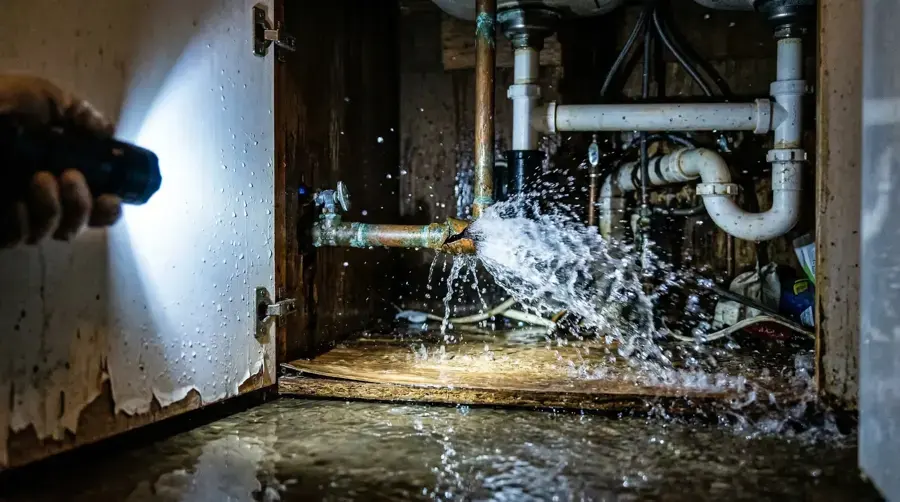
Burst Pipe Water Damage
Split supply pipes and failed fittings extracted, walls opened only where meters say.
Details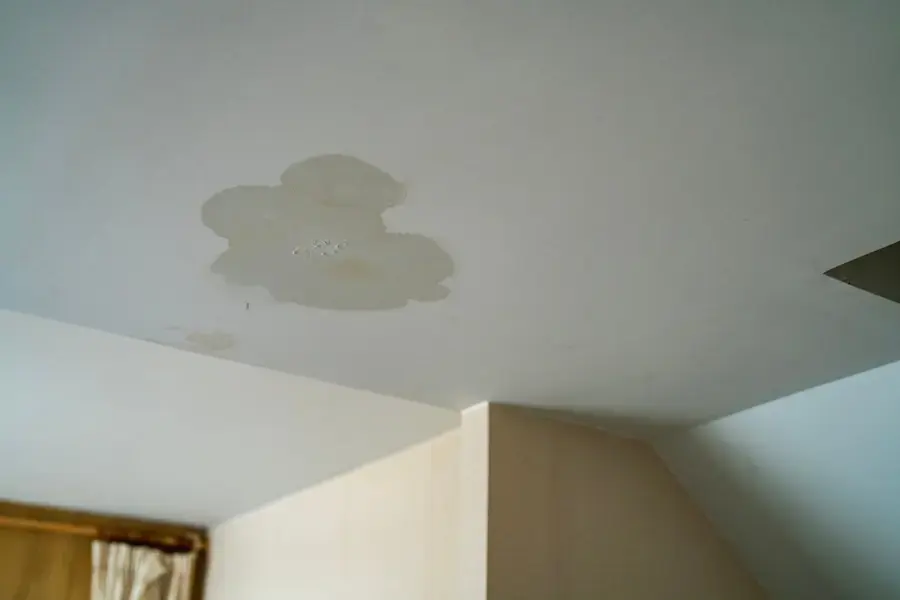
Ceiling Leak Water Damage
Bathroom and supply leaks from above traced, sagging drywall opened, joist bays dried.
Details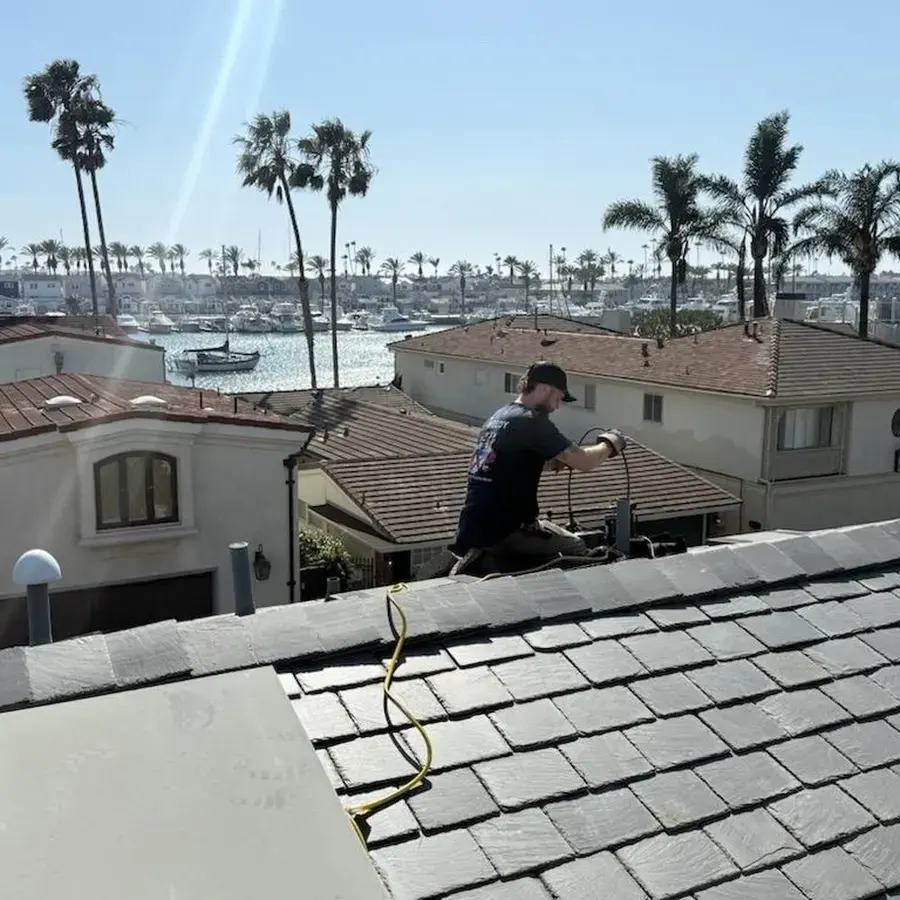
Roof Leak Water Damage
Flat roof, roof deck and tile underlayment leaks dried out of attics and ceilings.
Details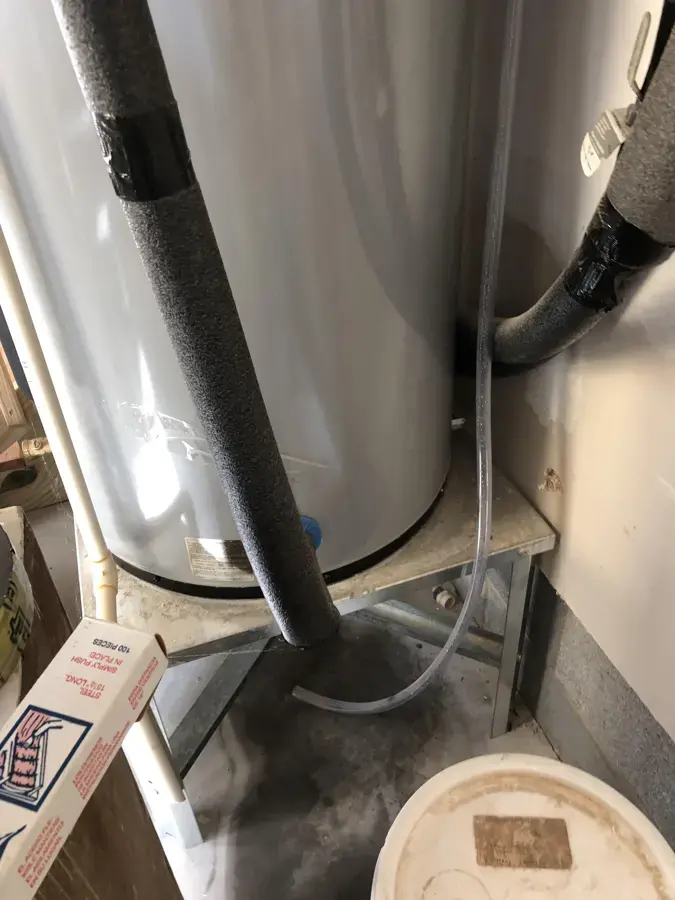
Water Heater Leak Cleanup
Garage and closet tank failures extracted and the walls around them dried.
Details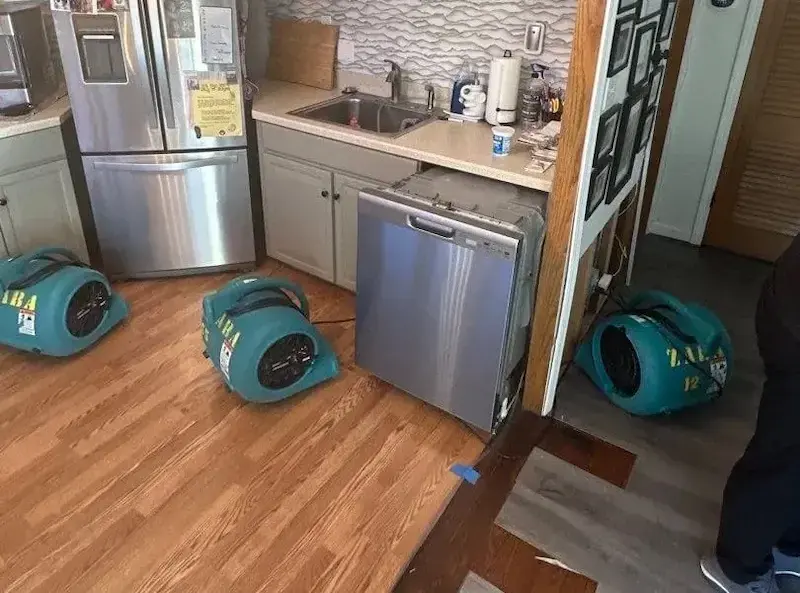
Appliance Leak Water Damage
Washer, dishwasher and ice maker leaks dried under cabinets and flooring.
Details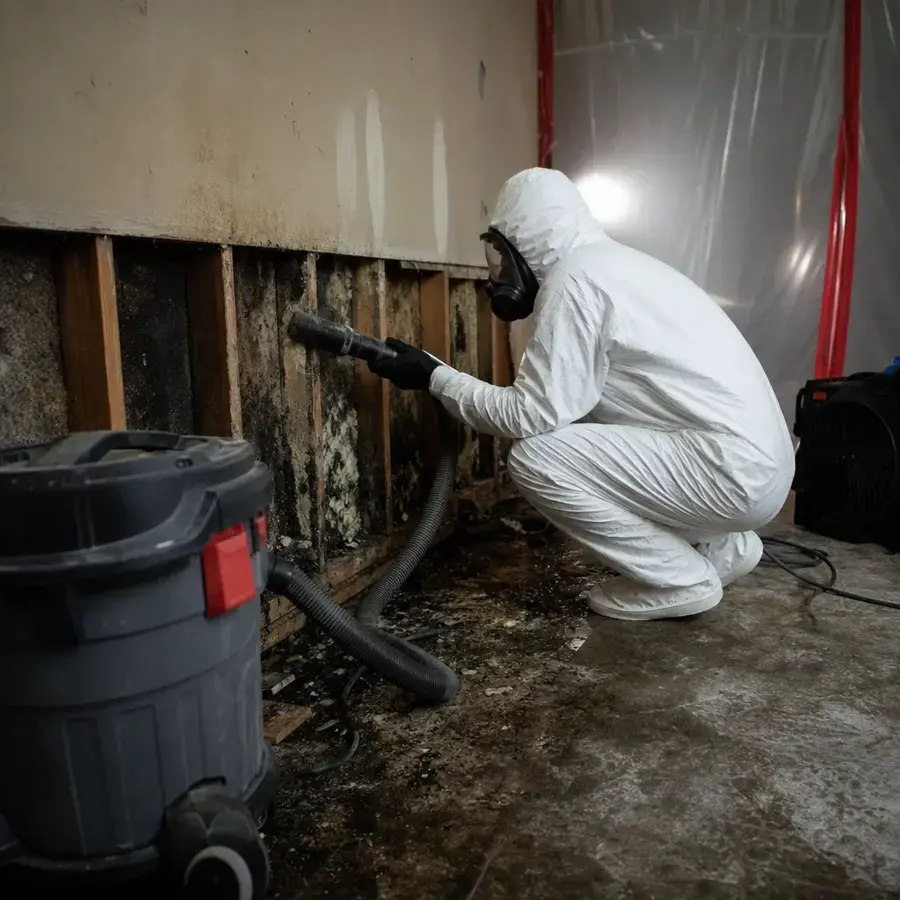
Sewage Backup Cleanup
Category 3 backups contained, porous materials removed, antimicrobial applied.
Details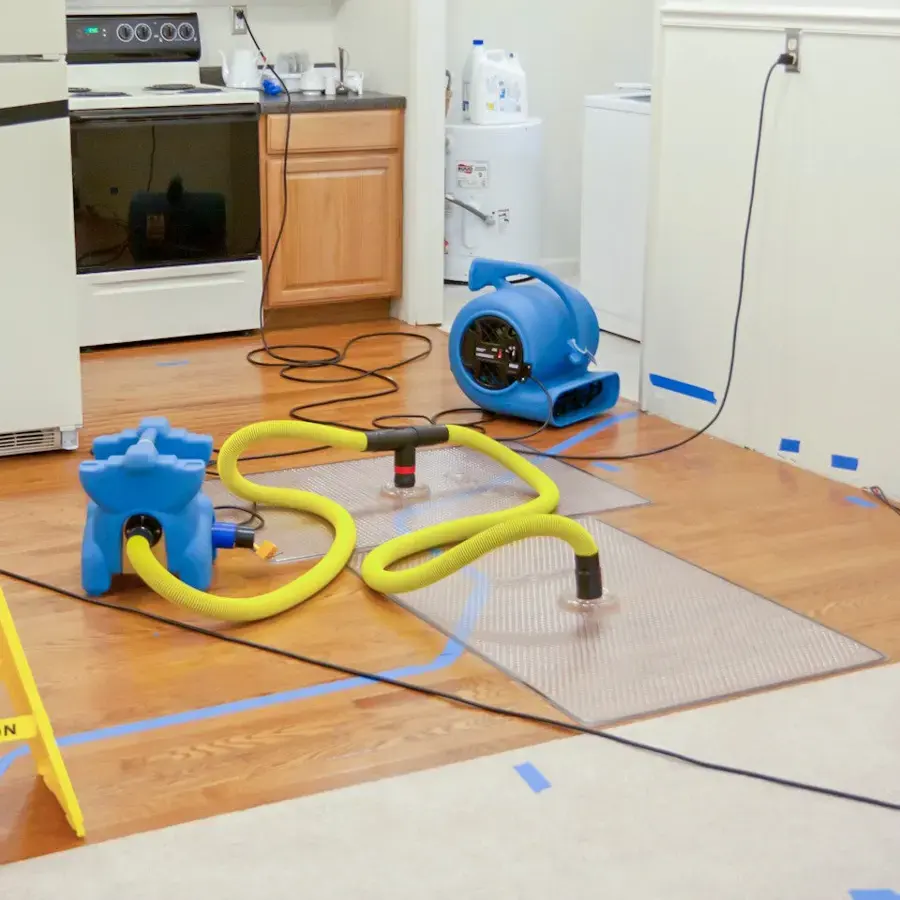
Structural Drying and Dehumidification
Framing, subfloor and concrete dried to within 2 to 4 points of a dry reference.
Details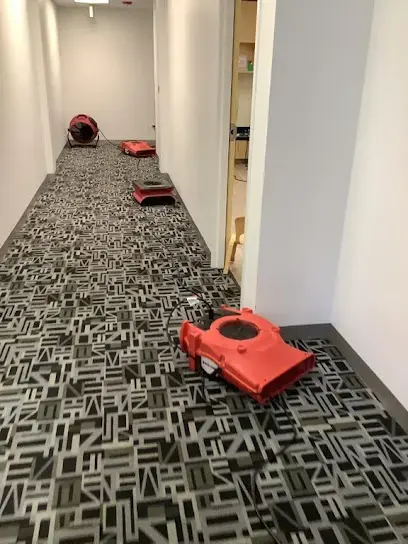
Commercial Water Damage
Offices, restaurants and shops dried in phases so the doors can stay open.
Details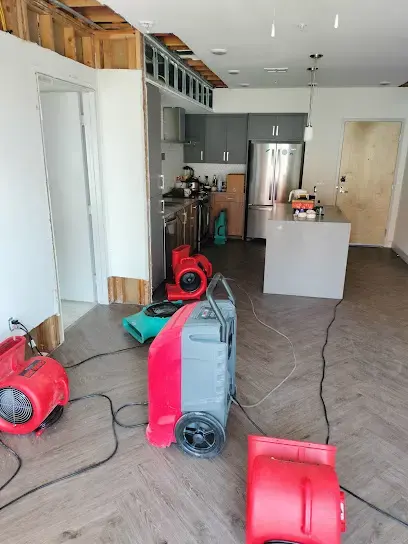
How the Newport Beach restoration crew handles a water loss
Water in a Newport Beach home rarely stays where it lands. It runs under tile and engineered flooring, drops through a shared condo ceiling or creeps up a wall from a leak under the slab. The local restoration pros plan the dry-out around those paths.
Rapid local response
Dispatch runs 24/7, and active water anywhere from the Peninsula to Newport Coast is treated as urgent.
IICRC S500 drying standard
Structural drying, not just surface drying, with equipment sized to the class of loss in each room.
Claim-ready documentation
Moisture maps, daily psychrometric logs and timestamped photos taken before any demolition.
Harbor-city water know-how
Slab leaks, pinhole copper, condo leaks and king tides are the usual losses here, and the crews plan for them.
What does water damage restoration cost in Newport Beach, CA?
In Newport Beach, CA, water damage restoration typically runs $1,300 to $28,000, with most clean-water losses in one or two rooms landing between $1,300 and $4,500.
Small clean water loss
$1,300 to $4,500
- One or two rooms
- Extraction and drying
- Daily moisture readings
Slab leak or multi-room loss
$4,500 to $12,000
- Flooring removal over the leak
- Concrete and wall drying
- Claim documentation
Bay water or sewage
$8,000 to $28,000
- Category 3 protocol
- Porous material removal
- Containment and HEPA air scrubbing
These are typical ranges, not quotes. Category of water, square footage, material class and how fast drying started move the number most. Try the Newport Beach water damage cost calculator for a closer range.
Water damage dried to the IICRC S500 standard
What separates a finished dry-out from a cosmetic one is the order of the work and the proof at the end. The drying team works to IICRC S500, the industry drying standard, and stops only when the readings say dry.
- 1
Inspect and map
The tech who does the walkthrough uses pinless meters and thermal imaging to map every wet wall, floor and ceiling, including the slab and the unit below.
- 2
Extract
The extraction crew pulls standing water with truck-mounted or portable units, because removing liquid is far faster than evaporating it.
- 3
Dry and dehumidify
Air movers are set to each room's evaporation load and LGR dehumidifiers pull the moisture out. Desiccants handle Class 4 materials like concrete and hardwood.
- 4
Verify and document
Daily readings are logged against a dry reference. Equipment comes out when materials sit within 2 to 4 points of that reference.
All water damage categories covered in Newport Beach, CA
Clean water
Supply pipes, slab leaks and water heater tanks start as Category 1. Caught early, most of it dries in place with extraction and dehumidifiers.
Slab leak water damageGray water
Washer, dishwasher and sink drain water is Category 2. It carries soap and food residue, so pads and some porous materials come out.
Appliance leak water damageBlack water
Sewage and bay or tide water are Category 3 from the start. Porous materials it touches get removed, never dried, and the area is treated.
Sewage backup cleanupDocumentation for your insurance claim
A water claim is decided on the file, not on the phone call. A complete Newport Beach claim file from the mitigation team contains:
- A moisture map of every wet wall, floor and ceiling, taken before equipment goes down
- Daily psychrometric drying logs with readings against a dry reference
- Timestamped photos taken before any drywall, flooring or cabinets are removed
- The category and class of the loss, which explain why materials were dried or removed
- A line-item scope written in the Xactimate-style format adjusters use
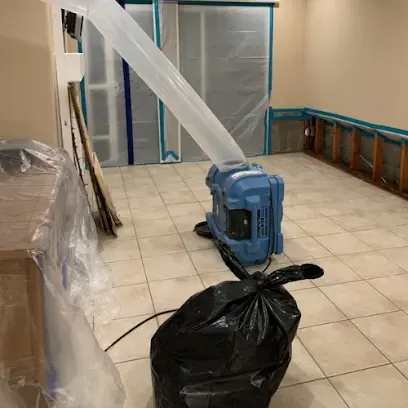
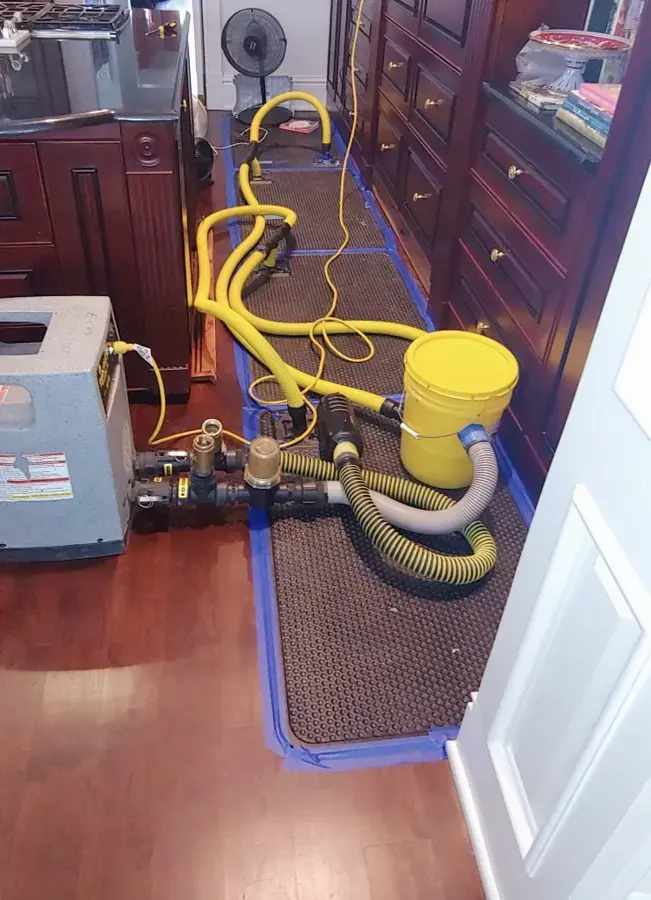
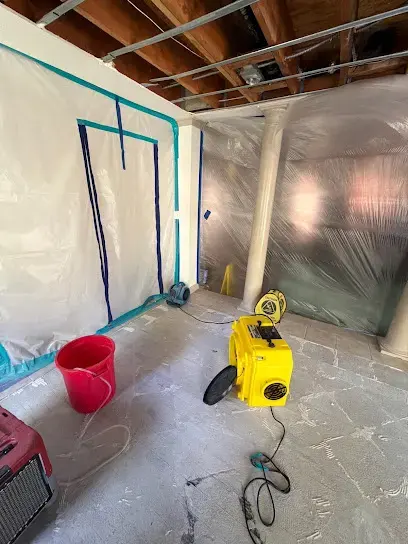
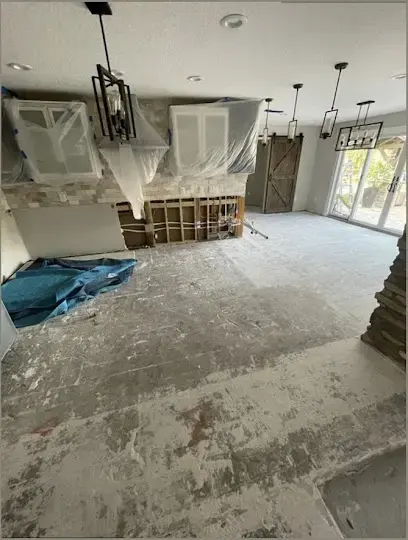
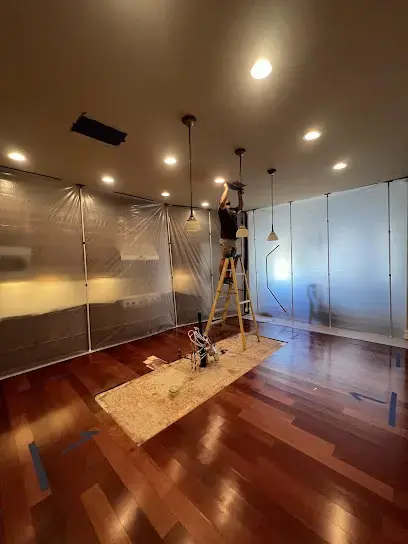
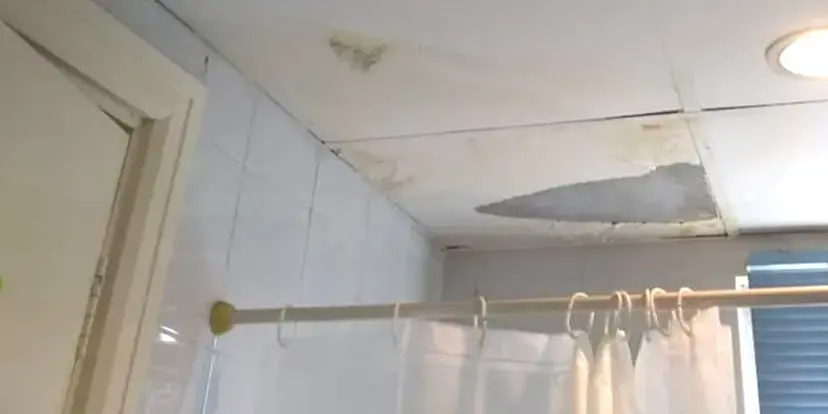
What a water damage dry-out looks like in Newport Beach
Water damage restoration across Newport Beach and the harbor
Newport Beach neighborhoods
ZIP codes
Nearby towns
Water damage in Newport Beach, CA: the local risk profile
Newport Beach wraps around Newport Harbor and Upper Newport Bay, with islands and a peninsula that sit barely above high tide and slab-on-grade neighborhoods on the bluffs behind them.
- March 1938
The Santa Ana River flood spread across the coastal plain toward the river mouth at West Newport.
- Every winter
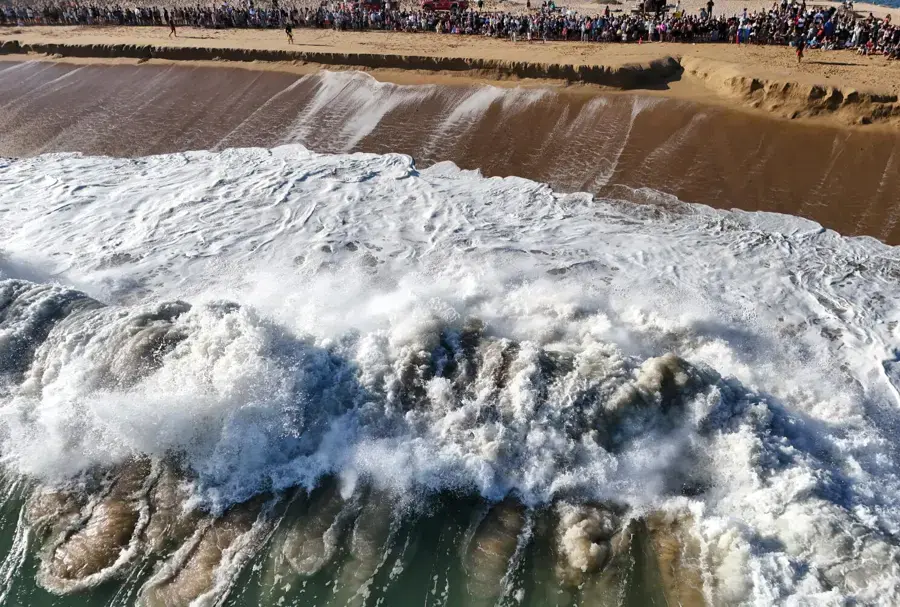
King tides push Newport Bay against the Balboa Island seawall and over low streets on the Peninsula.
- August 2023
The remnants of Hurricane Hilary brought heavy rain across Southern California, Orange County included.
- 2023 and 2024
Atmospheric river storms drove rain sideways into doors, decks and roof edges along the coast.
Copper under the slab
Post-war through 1970s homes in Newport Heights, Westcliff and Dover Shores run copper supply pipes under the concrete.
Salt air and pinholes
Ocean air corrodes exposed fittings, hose bibs and water heater connections, and older copper develops pinhole leaks.
Shared walls
Stacked condos and townhomes around Newport Center and Big Canyon pass one unit's leak to the next.
Marine layer humidity
A damp marine layer in late spring and early summer keeps indoor air moist, so drying runs on dehumidifiers, not open windows.
Newport Beach water damage questions, answered
Water in the house right now?
Shut off the source if it is safe, then call. The response team takes it from there.
(888) 450-9281Get the drying going tonightHow fast does someone respond to water damage in Newport Beach?
Dispatch runs 24/7, and active water anywhere in Newport Beach is treated as urgent. Arrival time depends on traffic, the time of day and how many calls are open, so the dispatcher gives a realistic window on the call.
What should I do first when I find water?
Shut off the main valve, turn off power to wet rooms, photograph everything and move valuables off the floor. In a condo, warn the unit below and the HOA manager. The first steps for a slab leak follow the same order.
How do I know if I have a slab leak?
Warm spots on tile, damp carpet with no visible source, the sound of running water with every fixture off and a meter that keeps moving are the classic signs. The slab leak sign check walks through them.
Who pays when a leak in the condo above damages my unit?
California Civil Code Section 4775 and your HOA's governing documents split repair duties between the association and owners, and the HOA master policy and your unit policy can split the loss. The condo leak page covers how each unit is documented.
Is king tide or bay flooding covered by insurance?
Water that rises from the bay or the ocean is usually treated as flood, which most homeowners policies exclude and flood policies cover. Coverage depends on your policy, so check with your own insurer.
How long does drying take?
A contained Class 1 or 2 loss usually dries in three to five days. Hardwood, plaster and concrete slabs take longer. The drying team removes equipment only when readings reach the drying goal.
What is the IICRC S500 standard?
IICRC S500 is the industry standard for professional water damage restoration. It covers how losses are inspected, categorized, extracted, dried and verified, so the work is judged by readings, not by how a room looks.
Will my drywall have to come out?
Not always. Drywall wet with clean water and caught early often dries in place. Drywall touched by sewage or bay water, or wet long enough to swell and crumble, gets cut out above the wet area.
Why is sewage or tide water handled differently?
Both are Category 3 water from the moment they appear. Porous materials they touch come out, the area is contained, and an EPA-registered antimicrobial is applied before drying.
What is the difference between mitigation and repair?
Mitigation stops the damage from growing: extraction, removing what cannot be saved and drying. Repair, like new drywall, paint and flooring, comes after the structure reads dry and is often a separate scope on the claim.
Water in a Newport Beach home or business? Start the dry-out now.
The restoration team extracts the water, dries the structure to the IICRC S500 standard and builds the claim file, 24/7 from Balboa Island to Newport Coast.
(888) 450-9281Newport Beach emergency water removal- Active water treated as urgent
- Dried to the IICRC S500 standard
- Daily readings for the claim file